EMA Newsletter – July 2026

CEO Introduction: What Matters
Welcome to another quarterly newsletter from Eco-Markets. You will see that this format is evolving with ever increasing contributions from across stakeholders and more detailed conversations and publications on aspects of environmental markets impacting Australia and internationally. We hope that you can take the time to digest the new content and learn something new about ENVOMARK credits and the contribution of markets to valuing nature through market mechanisms.
We are particularly excited and proud of the new ABIS (biodiversity standard) launch in the coming quarter, emphasizing the work and thought that Eco-Markets Secretariate and Technical Advisory Committee have put in to develop a framework to stack biodiversity with carbon and water credits. This new standard plays nicely with other schemes, in particular the Australian Governments extensive reforms, while also offering an option for marine biodiversity improvements. This was also something discussed in Cairns at the Oceans Decade event where markets were considered an important financing opportunity for global coral reefs.
The Reef Credit market continues to strengthen with new credit issuances for Pacific Bio under the wastewater methodology and a new proponent, OCTES, joining the market with a pipeline of projects with farmers. The Cassowary Credit scheme has now moved out of the ‘testing’ beta phase into the more regular development and monitoring phase, a major milestone for this blue ribbon biodiversity credit scheme, with additional projects initiated with Rainforest Rescue.
Finally, the grazing land management (GLM) methodology has now been revised and approved under ACWIS expanding its relevance across Australia and beyond. These are all data points that reflect the ever increasing awareness and participation in the ENVOMARK assured voluntary environmental markets in Australia.
Dr Goslik Schepers
CEO, Eco-Markets
In Focus: Launch Event for the ENVOMARK Australasian Biodiversity Improvement Standard (ABIS)
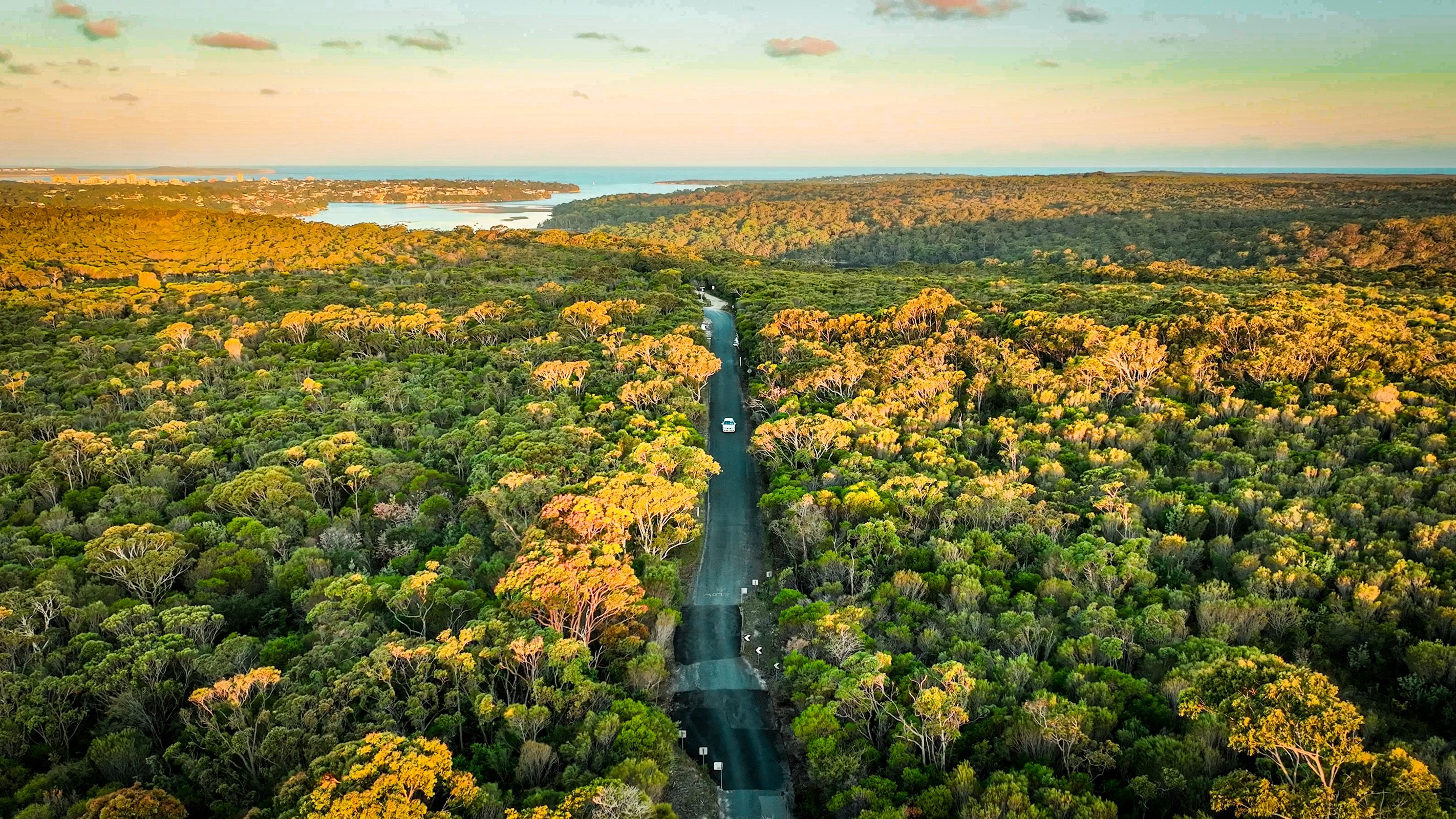
Eco-Markets Australia (EMA) will host the official launch event for the ENVOMARK Australasian Biodiversity Improvement Standard (ABIS) in September at Customs House, Brisbane CBD — the newest addition to its suite of integrated ENVOMARK standards delivered through the ENVOMARK Value Nature Framework.
The launch marks a major milestone in the development of high-integrity natural capital credit markets in Australasia, supported by a digital blockchain registry and Eco-Markets Australia Website upgrade!
Extending the ENVOMARK Suite
The ABIS extends EMA’s existing family of ENVOMARK standards, all of which share common underlying machinery designed to enable high-integrity natural capital credit markets with an integrated approach to designing projects which deliver differentiated benefits, which then drive private investment into nature repair.
The ABIS sets out the rules that biodiversity improvement Methodologies and Projects must meet in order to generate ENVOMARK-assured, high-integrity Biodiversity Credits across Australasia in both terrestrial and marine biodiversity settings. Its intent is to align closely with the Global Biodiversity Framework, the Nature Repair Market, the Australian Carbon Credit Unit Scheme, and Australia’s Nature Positive Reforms — positioning ABIS-generated Credits for use in both ESG and compliance markets.
Under the ABIS, biodiversity improvements will be quantified in units of condition improvement, transparently converted into credits when environmental outcomes are achieved, and independently verified, giving buyers and regulators confidence in the integrity of every Credit issued.
Where Things Stand: Peer Review, Consultation and Board Approval
The draft ABIS has undergone a rigorous development pathway, including formal Peer Review and Public Consultation, both of which have now concluded. Public Consultation feedback strongly supported the ABIS in principle and proposed Baseline Condition and Trend approach to environmental crediting, while calling for the Standard to explicitly accommodate marine and coastal settings, give consideration to verification costs and the potential burden on Traditional Owner organisations for FPIC requests, along with some sound technical recommendations for managing ongoing maintenance costs, permanence and fungibility.
The Standard is currently undergoing final revision ahead of submission for Board Approval, the last step before the ABIS is formally adopted as part of the ENVOMARK suite.
Event Sponsor: Reef Catchments Science Partnership
The launch event is proudly sponsored by the Reef Catchments Science Partnership (RCSP).
Established in July 2021, the RCSP is a research collaboration between The University of Queensland and the Queensland Department of Environment, Tourism, Science and Innovation. By bringing together scientists, policymakers, catchment management groups and industry leaders, the RCSP works to translate applied research into practical, on-ground solutions that protect and improve the health of Queensland’s waterways and the Great Barrier Reef. Its involvement as sponsor reflects the strong alignment between rigorous, evidence-based catchment science and the integrity-first approach underpinning the ABIS.
Methodology Development: Seeking Investment for Threatened Species Recovery
Work is already underway on the first Methodology to be developed under the ABIS. The Burnett Mary Regional Group (BMRG) is seeking investment to develop a threatened species biodiversity credit methodology, creating a practical, scientifically defensible pathway for private, philanthropic and government investment to generate verified biodiversity improvement credits for threatened species recovery.
Funding is being sought to cover method development, baseline and repeat monitoring, and the targeted interventions needed to produce measurable improvement. The intent is to test the methodology across three contrasting species and ecosystems — terrestrial, coastal/marine, and freshwater.
“Not only do we measure the provision of habitat, we also measure aspects of the species biology and ecology that are directly related to its recovery — distribution, abundance, demographics and genetics,” said BMRG CEO Tom Espinoza.
Investors and organisations interested in contributing to this Methodology’s development are encouraged to contact Eco-Markets Australia for more information.
Looking Ahead
The ABIS is on track to become a cornerstone standard for biodiversity credit markets in Australasia. The upcoming launch event offers stakeholders, from Project proponents and investors to government and community representatives, an opportunity to hear directly from EMA on the Standard’s development, its alignment with national and global biodiversity frameworks.
Event Details
Invitation only. Date: 22nd September Venue: Customs House, Brisbane CBD
Anyone with a keen interest in attending the launch is encouraged to contact EMA at info@eco-markets.org.au

Global Positioning of Natural Capital Credit Markets: Insights from the 2026 US Environmental Markets Conference
Eco-Markets and Aurecon co-hosted an Australian Session at the Environmental Markets Conference (EMC) in Chattanooga Tennessee this April.
With a focus on the US Mitigation Banking model of ‘no net loss’ under Section 404 of the Clean Water Act, there was significant interest and conversation on the global policy setting around emerging markets and the alternative ‘net gain’ models.
Using the ENVOMARK Reef Credits as a globally recognised flagship example, our presentation highlighted the critical role that offset ‑ based compliance markets play in creating price signals, demand certainty and scale—alongside voluntary ESG ‑ driven investment, particularly in the current climate of Australia’s Nature Positive Reforms.
Photo (Left): Evan Branosky, Amy Basnett, Tim DeGraff and Abel Immaraj, EMC 2026.

Market Updates
The Next Wave of Reef Credits hits our Shores
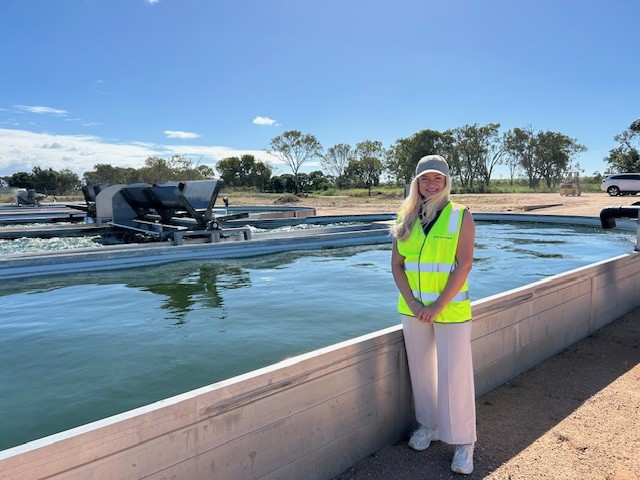
June 2026 marked an exciting milestone for the Reef Credit Scheme and EMA with the first issuance of ENVOMARK Reef Credits from Pacific Bio’s Wastewater Project in the Burdekin.
A total of 1,189 ENVOMARK Reef Credits were issued under the Method for Accounting Nutrient Reduction in Municipal Wastewater Treatment Plants Through Managed Bioremediation Operations . This innovative methodology measures and verifies reductions in Dissolved Inorganic Nitrogen (DIN) achieved through managed algal bioremediation at municipal wastewater treatment facilities.
Each ENVOMARK Reef Credit has been independently verified before being issued by the Secretariat to the Eco-Markets Registry, ensuring the environmental outcomes meet the rigorous standards of the Reef Credit Scheme.
Now available for purchase, each credit represents one kilogram of DIN prevented from entering waterways that flow to the Great Barrier Reef. By purchasing and retiring these credits, organisations and individuals can make a credible claim that they have directly contributed to improving water quality and protecting the Reef through verified, independently audited environmental outcomes. To purchase ENVOMARK credits, contact credit owners directly here by viewing Project Proponent details.
This first issuance celebrates more than 1,189 credits—it is the culmination of years of research, collaboration and commitment from multiple partners. It also signals an important expansion of the Reef Credit market, demonstrating how innovative wastewater treatment solutions can deliver measurable environmental benefits while creating new opportunities for investment in Reef protection.
Congratulations to Pacific Bio and all involved for delivering and demonstrating innovation through a high-integrity natural capital credit market mechanism for the wastewater sector. In light of the UNESCO World Heritage deliberation this month, this is a good news story with real impact for the Great Barrier Reef. EMA looks forward to supporting many more wastewater ENVOMARK Reef Credit issuances as the market continues to grow.
Contact the EMA Secretariat or visit the Eco-Markets Registry to learn more.
Image Below: Alexandra Vardy-Willsher, Sustainability Officer, Pacific Bio
New Proponent Onboard
Eco-Markets is pleased to welcome OCT Emissions Solutions Pty Ltd (OCTES) as the newest approved Project Proponent under the ENVOMARK Reef Credit Scheme. This addition to our current Proponents marks another important step in growing the network of organisations delivering measurable water quality improvements for the Great Barrier Reef.
Having officially joined EMA in June, OCTES brings ext ensive expertise in nature repair, environmental markets, ESG strategy and the commercialisation of innovative environmental technologies. Established in 2021, the Australian company specialises in developing practical, scalable solutions that help agricultural industries improve environmental performance while maintaining productive farming systems.
OCTES will focus on delivering projects under the Nitrogen Use Efficiency (DIN) Methodology Version 1.1, supporting cane growers to reduce dissolved inorganic nitrogen (DIN) leaving their farms and entering Great Barrier Reef catchments. By working with growers, agronomists and technology providers, OCTES is helping accelerate the adoption of algae-based biostimulants and other innovative nutrient management practices that reduce reliance on conventional urea fertilisers while improving soil and plant health.
OCTES is already building momentum, with three Nitrogen Use Efficiency (NUE) projects identified and in the process of registering on Eco-Market’s pipeline. Pipeline projects are where a Project Proponent has identified a site to implement creditable activities, under an ENVOMARK Methodology which has been approved under an ENVOMARK Standard but is not yet in a position to complete the Validation and registration process.
Website:
OCTES | Energy Transition, Climate Tech & Circularity Consulting – Australia
Welcome to the Eco-Markets community, OCTES. It has been a pleasure working with you thus far as we look forward to many more Project registrations while supporting each other and collaborating alongside all Eco-Market’s Proponents to continue bringing great outcomes for environmental markets.
If you’d like more information on OCTES or to contact them for Project development support head to Project Proponents on the Eco-Markets website.
End of Beta Phase Brings New Opportunities for the Wet Tropics
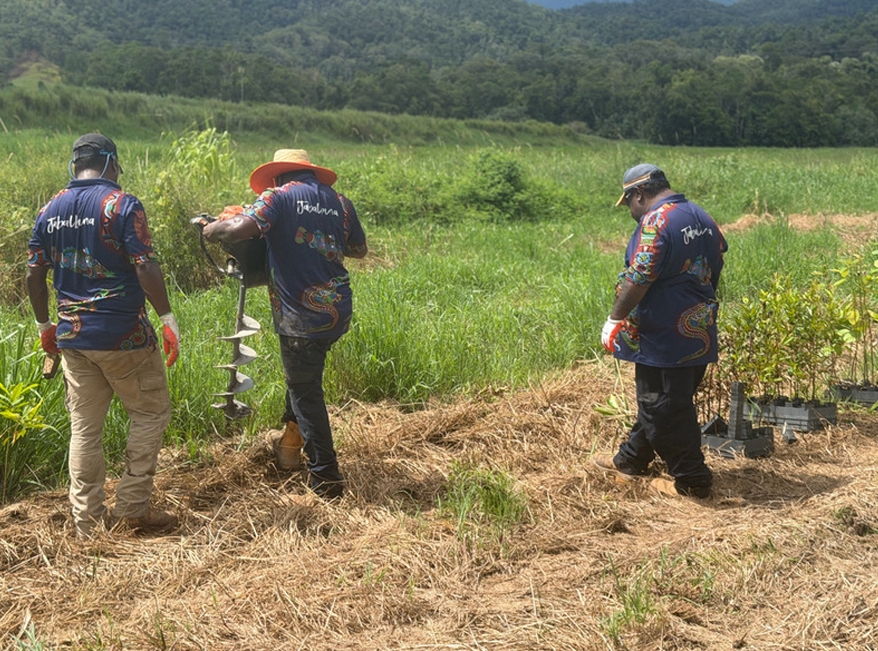
Amb er Kellett, Sustainability Education Officer for Cassowary Coast Regional Council, reflected, “I can’t believe this Friday is exactly one year since the initial planting – how time flies when you’re busy planting trees!”
The successful completion in June of the Cassowary Credits Scheme Beta Phase marks an important milestone in the evolution of this world-first biodiversity market initiative for the Wet Tropics.
Over the past 12 months, the Scheme has demonstrated the strength of its Methodology and the commitment of it’s Proponents, with two Projects successfully registered and a third progressing towards registration, under the Cassowary Credit Standard and Rainforest Replanting Method. Together, these pioneering projects have helped test, refine and validate the Scheme, providing valuable insights that will shape its future.
In May, Eco-Markets Australia (EMA) and Terrain NRM brought together Proponents and key stakeholders for a collaborative workshop to reflect on the Beta Phase experience. Participants shared practical feedback on the Scheme’s implementation, identifying successes, challenges and opportunities to streamline processes and strengthen support for future project success.
Cassowary Coast Regional Council’s Project, the first Registered under the Scheme, recently celebrated its first anniversary since the initial planting day. Twelve months on, the site is thriving, with monitoring confirming healthy tree establishment and strong early signs of rainforest recovery. It is an encouraging example of the long-term environmental outcomes the Scheme is designed to deliver.
As the Beta Phase concludes, Terrain NRM is working to incorporate lessons learned into the next iteration of the Standard and Method which EMA will progress through the ENVOMARK Nature Valued Framework. These enhancements will strengthen project delivery, improve the participant experience and ensure the Scheme continues to generate robust, high-quality ENVOMARK Cassowary Credits that deliver measurable biodiversity outcomes for the Wet Tropics.
The success of the Beta Phase would not have been possible without the enthusiasm, commitment and collaboration of Proponents, partners and stakeholders. EMA extends its sincere thanks to everyone who has contributed to this important foundation phase and embraced the opportunity to help shape a new approach to biodiversity stewardship.
With the Beta Phase complete, the Cassowary Credits Scheme is well positioned to move confidently into its next chapter. We look forward to supporting new projects, expanding participation across the region and continuing to deliver lasting benefits for rainforest ecosystems, cassowary habitat and the communities of the Wet Tropics.
To learn more about the Cassowary Credits Scheme or explore opportunities to become involved, visit the ENVOMARK Registry or contact the Eco-Markets Secretariat .
Photo (Below): Wawu Dimbi Tree Planting Day, Jabalbina Yalanji Aboriginal Corporation
Josh Paterson, CEO, Jabalbina Yalanji Aboriginal Corporation – “ This partnership with Terrain is Jabalbina’s first real foray into environmental markets. The project has been a great learning experience for Jabalbina, and we continue to build our delivery capacity and capability. Partnerships and projects like this align closely with Eastern Kuku Yalanji social, cultural, environmental, and economic aspirations. Jabalbina believes there is great potential in Cassowary Credits and in other environmental markets and if harnessed in a culturally safe way these initiatives will help us put these new income streams to work increasing biodiversity, restoring, and healing Eastern Kuku Yalanji Country. The Cassowary Credit trial project is part of Jabalbina’s broader Green Economy Strategy and program of works and we see it as a cutting-edge initiative. Jabalbina is proud to be working with Terrain opening new ground in the environmental market arena .”
Industry Engagement and Events
Eco-Markets Australia continues to engage with industry leaders, sharing insights from our work. Recent highlights and upcoming activities include:
Recent Highlights
Markets for the Blue Economy: Reflections from the Ocean’s Decade Leadership Forum
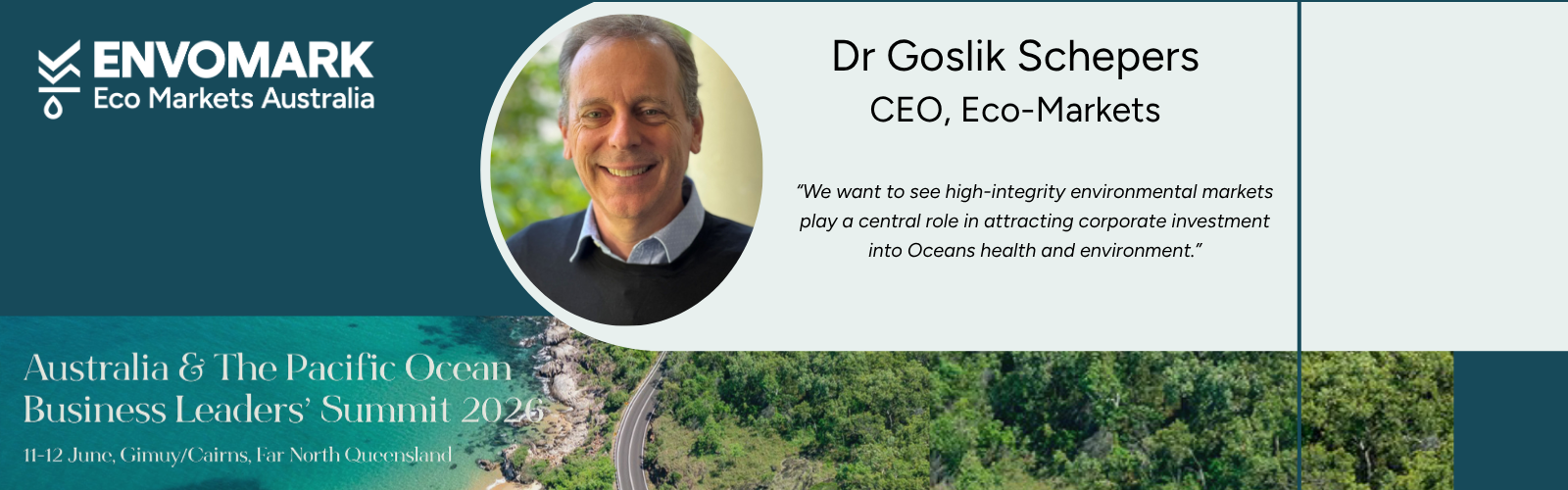
In June I joined the Ocean’s Decade Leadership Forum in Cairns, representing Eco-Markets Australia among a gathering of scientists, industry leaders, government representatives and Pacific Island nation delegations to discuss and explore the future of the ocean’s economy, including the mobilization of capital for reef restoration and marine protection at the scale
There is a genuine, widely shared belief that robust, high-integrity markets are the mechanism most likely to mobilise capital for reef restoration and protection at scale across national boarders, with a real desire to move from concept to implementation. But “markets” currently means very different things to different people. Approaches ranged from segmenting exclusive economic zones into defined spatial units and making them available to the public and investors, through to more conventional biodiversity approaches modelled on terrestrial schemes.
That challenge is structural, unlike terrestrial natural capital markets where there is clear, allocable land tenure, the ocean has no equivalent starting point. Tenure and ownership are far harder than it looks on land. Layered on top of that is the multiple-use reality of marine environments: fisheries, shipping, tourism, cultural rights and conservation interests all overlap in the same water, traversing this multiple stakeholder environment is required. This is a problem we’ve encountered with other ENVOMARK Credits where consideration must be made for First Nations contributions, ecosystem integrity, permanence and authority. In terrestrial conditions this is solvable and I’m sure the same is true for the Oceans economy.
One idea discussed with particular interest was a unified Pacific-wide solution for marine protection and restoration, potentially built around credits as the common unit of measure, value and trading. The case for scale was central to the discussion where together, Pacific Islands coastal oceans account for over 26% of the world’s coral reefs offering a significant carbon sequestration and marine biodiversity potential. At scale an ENVOMARK Pacific Island Credit could provide a meaningful investment opportunity for the island countries, de-risking investment into reef protection and restoration. This international solution at scale might represent a good target for COP31, something substantial enough on the global stage, giving Pacific nations a coordinated position rather than individual, harder-to-finance proposals.
Technical Updates
Unpacking the Grazing Land Management Methodology ENVOMARK approved and assured under the ACWIS
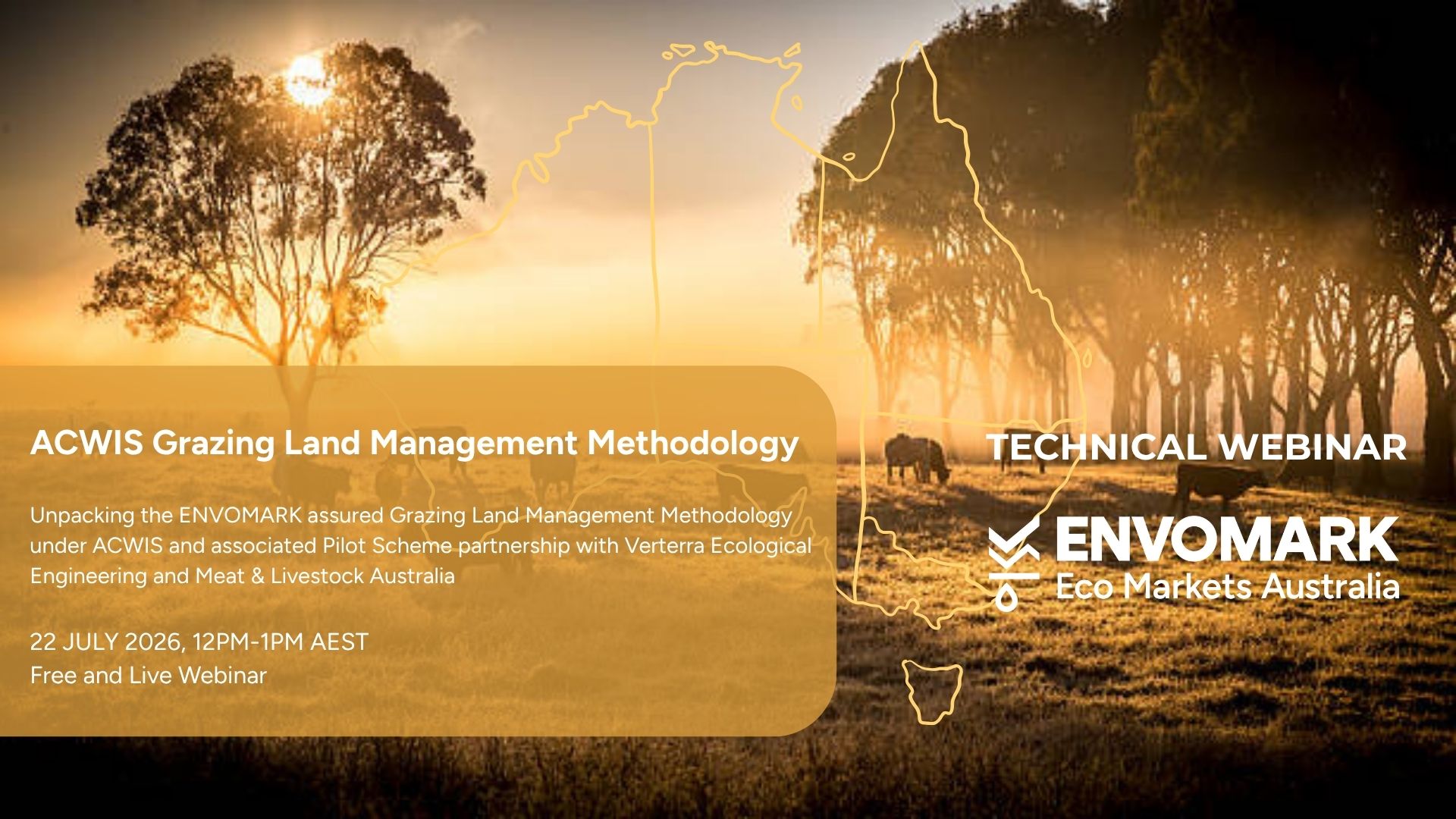
In this webinar we unpacked the newly approved Grazing Land Management (GLM) Methodology, now ENVOMARK Assured and approved under the Australasian Catchment Water Improvement Standard (ACWIS), and explored what this means for landholders, project developers and environmental markets across Australia.
The webinar highlighted how the methodology, developed by Verterra, quantifies water quality improvements through improved grazing land management practices, rewarding measurable reductions in sediment runoff while supporting broader natural capital outcomes. We also shared the exciting news that the methodology has been approved by the Clean Energy Regulator for stacking with soil carbon projects, creating new opportunities for producers to generate multiple environmental outcomes from the same land parcel.
A key focus of the session was the launch of the Pilot Partnership between Verterra and Meat & Livestock Australia (MLA). The pilot program aims to demonstrate the practical application of the methodology, develop case studies, and help landholders explore opportunities to generate water quality credits and potentially stack these with soil carbon outcomes. The partnership is seeking expressions of interest from landholders across Australia who are interested in implementing additional grazing management practices that improve ground cover and reduce sediment runoff.
We would like to sincerely thank:
✅ Verterra for leading methodology development and technical innovation
✅ MLA for supporting the pilot program and helping drive awareness across the red meat sector
✅ AgriProve for their collaboration on stacking opportunities
✅ Everyone who attended and contributed questions during the session.
📢 Interested in participating?
The pilot program is intended to help de-risk participation for early adopters, and the project team is keen to speak with landholders interested in exploring water quality and natural capital opportunities on their properties.
A quick note regarding the webinar recording: due to a technical issue, the presentation slides were not displayed correctly in parts of the recording . We apologise for the inconvenience. The full slide deck is available separately in PDF here .
CER Approval to Stack under ENVOMARK Reef Credits Scheme & ACWIS
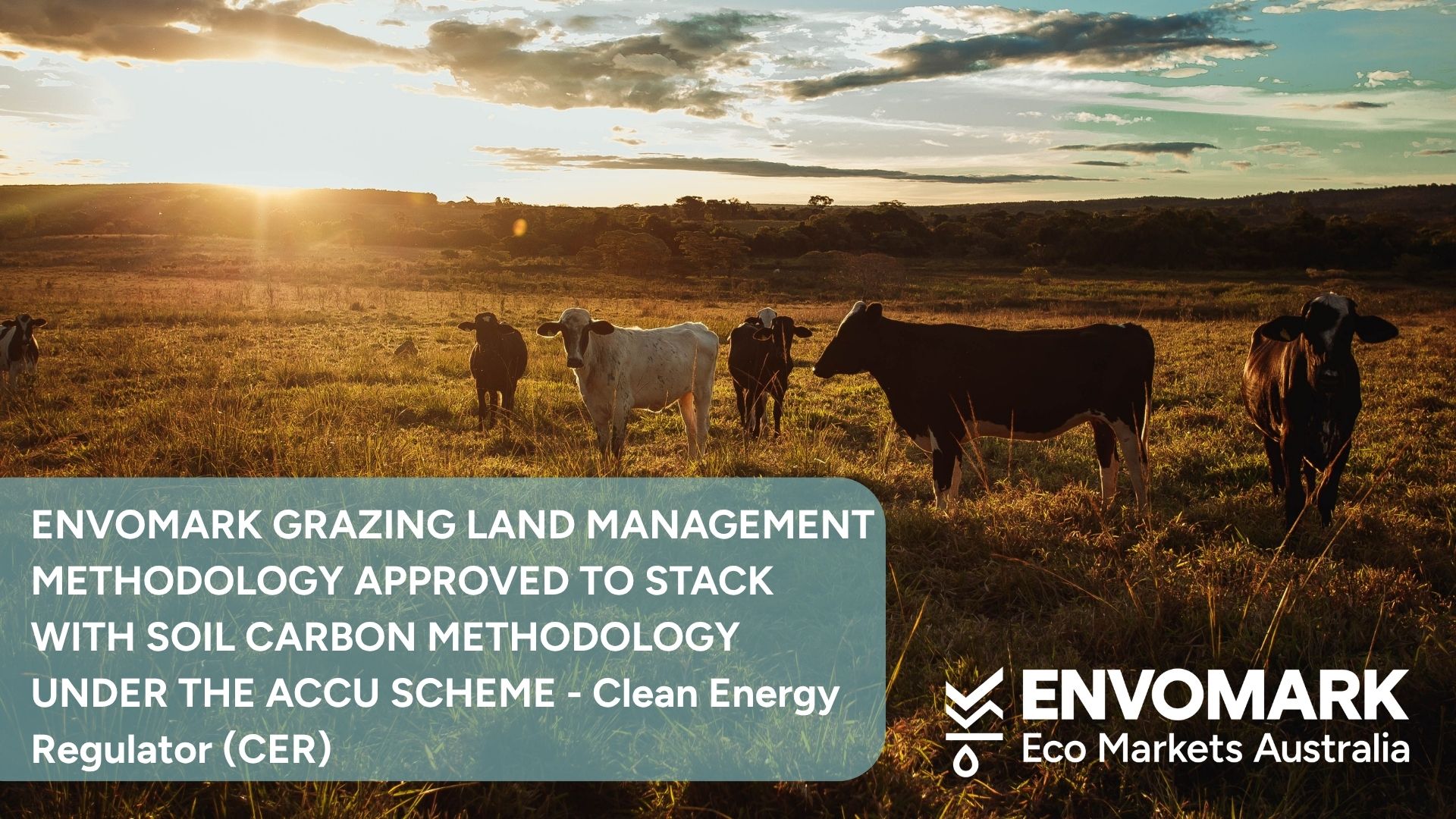
Eco-Markets is proud to announce that the Clean Energy Regulator has approved the stacking of the ENVOMARK Grazing Land Management (GLM) Methodology under both ACWIS and Reef Credits, with the Australian Carbon Credit Soil Carbon Methodology.
This marks the second ENVOMARK Methodology, alongside the ENVOMARK Rainforest Replanting Methodology, approved to stack with ACCUs. The CER endorses these project types being ‘stacked’ where all relevant scheme requirements are satisfied.
‘Stacking’ refers to two or more projects being carried out on the same, or partially overlapping, areas of land where each project is credited for separate and measurable outcomes. The projects may involve the same, related, or different activities, provided each scheme issues credits only for outcomes that are distinct from those credited under another scheme. Furthermore, each credit type can be independently commercialized providing maximum flexibility.
Thus in the case where a project has both ENVOMARK GLM stacked with Soil Carbon ACCUs, fine sediment reductions improving water quality are credited by Eco-Markets alongside, but independent of, the corresponding soil organic carbon sequestration credited with ACCUs.
Guidance on registering a project in stacking context:
- The applicant must first lodge an application to register a project under the 2021 soil carbon ACCU Scheme method through the CER’s Online Services. The applicant will receive a notification saying ‘Your form has been received’ once it has been submitted. This is sufficient proof that the application form has been successfully submitted to the CER.
- The applicant can then apply to Eco-Markets under the Reef Credit and/or to ACWIS Scheme to register their GLM method project advising them of their intention to stack the project with a 2021 soil carbon ACCU Scheme project.
- Eco-Markets then assesses the GLM method project application recognizing the corresponding ACCU project, while the CER assesses the ACCU Scheme project application.
- We encourage the proponent to notify the CER of the stacked project
For further information please reach out to Eco-Markets’ secretariat@eco-markets.org.au
Registry Update

Reef Credits Registry
14
Projects
65,547
Credits Issued
42,055
Credits Retired
There are currently 23,492 Reef Credits available on the registry.
As the independent administrator of the Reef Credit Scheme, Eco-Markets Australia ensures the integrity of the scheme through robust oversight and effective management of the Eco-Markets Australia Registry . This platform transparently tracks all approved projects and verified outcomes, enabling the secure issuance, transfer, and retirement of credits.
While we oversee these processes, Eco-Markets Australia remains independent from the commercial transactions between buyers and sellers and does not set credit prices.
For more information on Reef Credits currently available for purchase, or to learn more about the buying process, please contact the Eco-Markets Australia Secretariat team .

Cassowary Credits Registry
2
Projects
0
Credits Issued
0
Credits Retired
The Cassowary Credit Biodiversity Credit Market launched on 22 May 2025. Under this program, credits are issued after the first 2 years of project activities. This is to ensure that credits are only issued based on real, verified and measured outcomes, providing confidence to credit buyers.
As the independent administrator of the Cassowary Credit Scheme, Eco-Markets Australia ensures the integrity of the scheme through robust oversight and effective management of the Eco-Markets Australia Registry . This platform transparently tracks all approved projects and verified outcomes, enabling the secure issuance, transfer, and retirement of credits.
While we oversee these processes, Eco-Markets Australia remains independent from the commercial transactions between buyers and sellers and does not set credit prices.
For more information on Cassowary Credits and to discuss the credit buying process, please contact the Eco-Markets Australia Secretariat team.
How to Participate
Become an Approved Project Proponent with Eco-Markets
Eco-Markets is seeking interest from organisations and individuals considering a role as Project Proponent, key partners in delivering environmental outcomes across Australasia.
Environmental markets are scaling quickly, with increasing demand for projects that create real, measurable benefits for nature. This growth is opening up new opportunities for people who can design and deliver high-quality, nature-based projects.
Project Proponents play a central role in Eco-Markets’ schemes. They work with landholders to plan and deliver environmental projects that meet our ENVOMARK Value Nature framework. This includes managing the full project life cycle from data collection and registration through to monitoring, credit generation, and sales. Project Proponents exist to help ensure projects deliver strong environmental outcomes while also creating economic value for landholders.
EMA have developed a Project Proponent Guide informing on the journey to approval as a Project Proponent. The Project Proponent Guide contains information and tips which will assist in the decision around onboarding with EMA, which markets you are eligible to provide for and how to consider your business model, making your journey worthwhile for you. This will position your services as a valuable part of a landholder’s journey, supporting better outcomes for nature while also helping increase the economic value of their land through credit generation.
Following the approval of the Australasian Catchment Water Improvement Scheme (ACWIS) in late 2025, Eco-Markets is actively engaging Methodology developers and market participants to develop pilot projects across the region. The first methodology under ACWIS is progressing through the ENVOMARK assurance process and is expected to be approved in the near future. Interest from investors is strong, and there is a clear need for more Project Proponents to build a pipeline of projects and ongoing supply of environmental credits.
Approved Project Proponents may choose to develop Projects across a range of EMA approved methodologies, and elect to work under Reef Credits Scheme, Cassowary Credit Scheme, Australasian Catchment Water Improvement Scheme and future schemes such as the Australasian Biodiversity Improvement Scheme (in development).
If you’re interested in becoming a Project Proponent, contact the Eco-Markets Secretariat at secretariat@eco-markets.org.au .A copy of the Project Proponent Guide can be requested for more detailed information.
Submit your Methodology
Eco-Markets invites methodology developers to submit Methodologies following the ENVOMARK Methodology Application and Review Procedure .
Current Standards accepting new Methodologies include:
- LAUNCHED Australasian Catchment Water Improvement Standard (ACWIS)
- COMING SOON Australasian Biodiversity Improvement Standard (ABIS) – contact Secretariat
EMA Written Submissions
Active participation in policy and public consultation processes is critical to ensuring that the role of ENVOMARK natural capital credit markets is well understood and effectively integrated into government decision‑making.
By contributing evidence‑based insights from market design, implementation experience, and stakeholder engagement, EMA aims to help demonstrate how high‑integrity nature and water quality credit markets can mobilise private capital at the scale and pace required for nature repair, complementing public funding and regulatory approaches.
These submissions support governments to design enabling policy settings that recognise credible market mechanisms as delivery tools, reduce barriers to investment, and align environmental objectives with economic incentives. In doing so, EMA strengthens the policy foundation needed for natural capital markets to support national priorities while ensuring that emerging markets are robust, trusted, and aligned with long‑term environmental outcomes.
Recent Submissions:
- Consultation on Queensland’s Environmental Offsets Framework: A fresh start for Queensland’s Environmental Offsets Framework – Discussion paper
- Public engagement on the Reef 2050 Long-Term Sustainability Plan
- Water Act 2007 Review
- Consultation on State of Nature Measurement (TNFD, GRI, SBTN)
- Consultation on the National Environmental Standard for Matters of National Environmental Significance (MNES)
Follow the latest updates from Eco-Markets Australia on our Facebook and LinkedIn pages.


